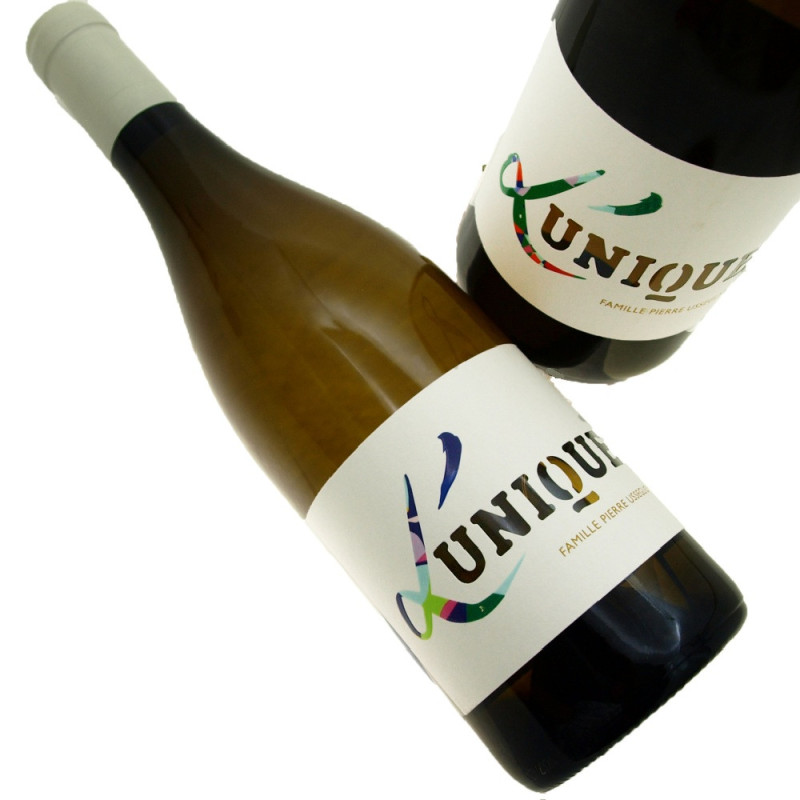
White Wine

Whether dry, mellow, sweet, fortified or sparkling, there are a multitude of different white wines to choose from. Produced in France or abroad, there's something for every taste, every budget and every palate! Bottles of white wine are among the most popular as an aperitif or with a meal, so let's find out why...

THE WHITE WINE PRODUCTION PROCESS

How is white wine made? A big question, and one we're going to answer right away. First of all, you need grapes. Either white grape varieties or red grape varieties with white juice can be used. In the first case, the grapes are separated from the stalk and crushed (known as de-stemming and crushing). In the 2nd case, only the pulp of the red grapes is used, and not the skin (which would add color) to obtain white juice. These grapes are therefore only pressed. The juice is then sent to the presses (pressing stage), then to vats or barrels for a period of fermentation. After this, the white wine is aged for several months, if the winemaker so decides, and this is the final stage before bottling.

The technical distinction is simple: a dry white wine contains less than 4g of residual sugar per litre, an off-dry between 4 and 12g, a medium-sweet between 12 and 45g, and a sweet wine beyond that.

THE DIFFERENT TYPES OF WHITE WINE

As mentioned above, there are different types of white wine. The most common is dry white wine, which means it is not sweet. Dry white wines have a liveliness associated with notes of white and yellow fruit, often with white flowers. The best-known are Burgundy wines such as Chablis and Meursault, Loire wines such as Pouilly-Fumé and Sancerre, and Condrieu in the Rhône Valley. As aperitifs, with seafood and fish, they are a perfect match.

In contrast, we find sugary white wines known as sweet wines or mellow wines. They have a very different aromatic framework, focusing more on exotic and candied fruits and honey. What's the difference between sweet and mellow white wines? Mellow wines are made from late-harvested grapes, while sweet wines are made from noble rot and have a syrupy texture. Examples include Côtes de Gascogne in the Southwest, Coteaux du Layon in the Loire and Sauternes in Bordeaux. Serve with fruit desserts, classic foie gras and, why not, blue-veined cheeses.

There are also fortified white wines, much less well known by this name because they are also known as “mutés” wines, meaning that the addition of alcohol to the original wine is voluntary. In fact, the production process corresponds to a wine to which a strong alcohol, generally brandy, is added during vinification. They can be dry or sweet. White Porto is the most common mutated wine, originating in Portugal. It is often served as an aperitif.

It's impossible to talk about white wine without mentioning sparkling wines, characterized by their fine bubbles and aromas of dried fruit and flowers. These include champagnes, crémants and sparkling wines. From aperitif to dessert, bubbles are always a good excuse to toast.

WHICH WHITE WINE FOR WHICH DISH?

Dish or Occasion White Wine Style Suggested Appellations
Aperitif Dry and crisp Muscadet, Sauvignon de Touraine, Picpoul de Pinet
Oysters, raw seafood Dry and mineral Chablis, Muscadet, Sancerre
Grilled fish Dry and fruity Sancerre, Pouilly-Fumé, Provence white
Fish in sauce, scallops Rich and structured Meursault, white Saint-Joseph, Chassagne-Montrachet
Creamy poultry, blanquette Rich and opulent Meursault, Pouilly-Fuissé, Condrieu
Sushi, Japanese cuisine Aromatic and dry Alsace Riesling, Pouilly-Fumé, Sancerre
Spicy cuisine, Thai, Indian Aromatic off-dry Gewurztraminer, off-dry Vouvray
Goat's cheese, fresh cheeses Dry and crisp Sancerre, Quincy, Pouilly-Fumé
Foie gras, dessert Off-dry or sweet Coteaux du Layon, Sauternes, Jurançon

WHITE WINE PRODUCTION: KEY REGIONS AND COUNTRIES

Bottles of white wine can be found all over France, notably in Alsace, Champagne, the Loire Valley, Beaujolais and Burgundy with their cooler climates. Of course, southern vineyards such as Rhône, Provence, Languedoc-Roussillon and South-West also produce delicious white wines in a rounder style, with the added ripeness of sunshine.

Beyond France's borders, French white wine is becoming increasingly renowned. European countries such as Italy, Switzerland and Germany are also renowned for their high-quality white wine production. On other continents, New Zealand, South Africa, Australia, Argentina and Chile are increasingly turning to this type of production to gain a foothold in the white wine market.

WHITE WINE AS A GIFT

A great white wine always makes an impression, whether it's a Meursault for a Chardonnay lover, a Sauternes for a special dinner, or a Sancerre for a more accessible gift. Also take a look at our gift boxes for a polished presentation.

HOW TO STORE AND SERVE WHITE WINE

White wine is best stored lying down at a stable temperature between 12 and 14°C, away from light. Serving temperature depends on the style: 8 to 10°C for a crisp, aromatic white, 10 to 12°C for a rich, structured white. Above that, alcohol overtakes the aromas. Too cold, around 5-6°C, the wine loses its complexity instead.

Read more
Filters
Sort
  Nouveau chercheur
Catégories
Couleur
Millésime
Centilisation
Domaine
Catégories
Apply

There are 499 products.