Unit price
€15.50From 6
€13.58 -12%
Unit price
- PROMO -15%
Unit price
€22.90From 6
€21.60 -6%Beaujolais wine is produced on the first foothills of the Massif Central, between Mâcon and Lyon, across nearly 17,000 hectares. The appellation relies almost entirely on a single grape variety, Gamay, which gives fruity, easy-drinking red wines with soft tannins. A small amount of white wine is also made from Chardonnay, alongside a touch of rosé, mostly bottled as Beaujolais Nouveau.
Beaujolais has long paid the price for its own commercial success. Beaujolais Nouveau, the primeur wine released every third Thursday of November, just weeks after harvest, put the region on the map worldwide, but it also left it saddled with the image of a simple, mass-produced wine. That caricature long overshadowed the vineyard's real depth, now being restored by a new wave of ambitious winemakers, including the Domaine des Nugues, which has given Beaujolais-Villages a new lease of credibility.
It's no coincidence that Beaujolais gave birth, back in the 1980s, to one of the most influential movements in modern wine: **natural wine**. A handful of Morgon-based winemakers, Marcel Lapierre and Jean Foillard among them, pushed back against industrial winemaking (lab yeasts, heavy sulfites, systematic filtering) in favor of a more hands-on approach built around traditional carbonic maceration of Gamay. The idea has since spread well beyond Beaujolais, but this is where it first took hold and found its fullest expression.
Beyond generic Beaujolais and Beaujolais-Villages, the appellation splits into several distinct crus, each shaped by its own soil and style.
Known as one of Beaujolais' sturdiest, longest-lived crus, Morgon owes its backbone to the blue diorite rock of Mont du Py. It's home to Marcel Lapierre and Domaine Jean Foillard, two towering figures of the natural wine movement, whose wines deliver the cherry and licorice notes cellar-worthy Beaujolais lovers look for.
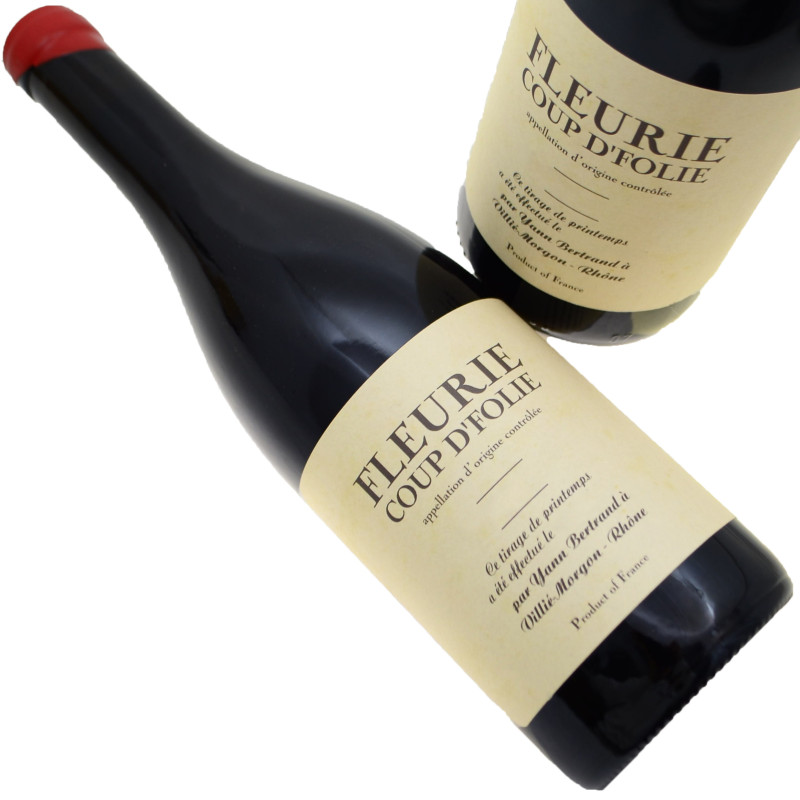
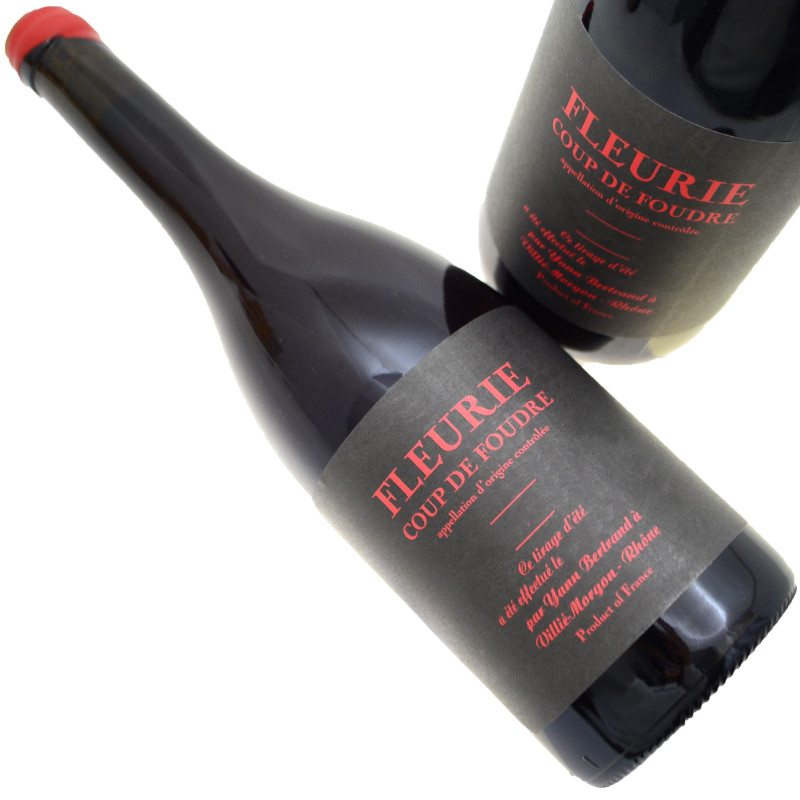
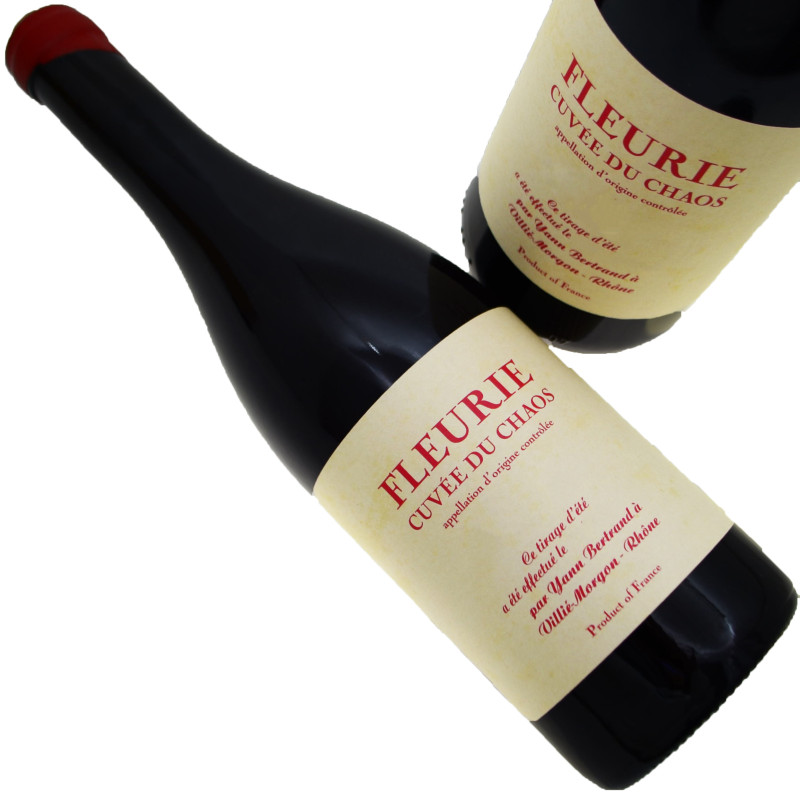
Nicknamed the "queen" of Beaujolais, alongside Moulin-à-Vent's traditional title of "king," Fleurie produces wines of real finesse grown on pink granite soil. Red fruit takes the lead, lifted by the floral notes that gave the cru its name. This is also where you'll find Yvon Métras, one of the quieter but deeply respected names behind Beaujolais' revival.
The largest vineyard area in Beaujolais, Brouilly grows on pink granite, marl and blue limestone, yielding light, fragrant wines. Just next door, Côte-de-Brouilly climbs the slopes of Mont Brouilly itself, where a local volcanic rock called cornil produces wines with more grip and concentration. Both styles are made by Jean-Paul Brun at Domaine des Terres Dorées, and by Christophe Pacalet.
The highest cru in Beaujolais, Chiroubles is all about lightness and floral charm, grown on pure granite. Domaine Emile Cheysson, planted on former land of the Abbey of Cluny, remains one of its most historic names.
Widely seen as Beaujolais' most powerful, longest-aging cru, Moulin à Vent gets its depth from manganese-rich granite soil found nowhere else in the region. Domaine Paul Janin et Fils crafts cuvées here that age with real consistency.
Beaujolais' northernmost cru, right on the edge of the Mâconnais, Saint-Amour has a distinctive elegance, notably from Jean-Paul Brun, grown on a mix of granite and pockets of limestone.
A generic Beaujolais or Beaujolais-Villages is an easy match for everyday drinking, alongside white meat, charcuterie or a cheese board. For something more refined, a cru opens the door to a whole range of styles, from light and floral to structured enough to pass for Burgundy. Serve it chilled, around 13-15°C, a temperature that lets the Gamay fruit shine rather than falling flat, which is what happens when it's poured too close to room temperature.
Beaujolais Nouveau hits the shelves just weeks after harvest, on the third Thursday of November, while a classic Beaujolais or Beaujolais-Villages spends longer aging before release. That speed makes for a simpler wine, all about immediate fruit and best drunk within the year, whereas the other cuvées can be cellared and go on to develop real complexity.
Top Wines estates
Unit price
€15.50From 6
€13.58 -12%
Unit price
Unit price
€22.90From 6
€21.60 -6%