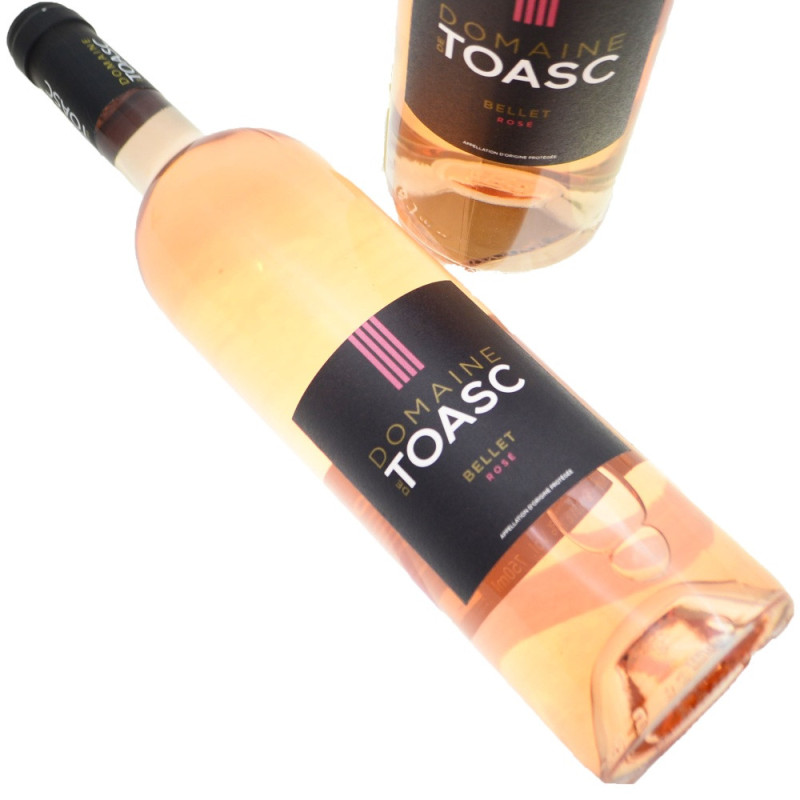
Rosé Wine: Our Selection of France's Finest Cuvées

No longer confined to summer aperitifs, rosé wine has established itself as a true category in its own right, boasting its own distinct styles, terroirs, and age-worthy cuvées. At Infinivin, we have curated a selection from France's top wine-producing regions, ranging from iconic Provence rosés—our most popular selection—to more exclusive bottles from Corsica, the Rhône, and Languedoc.

How to Choose Your Rosé Wine

Choosing a rosé starts with understanding its style. Pale, dry rosés—most famous in Provence—focus on crisp freshness and delicate aromas, making them the perfect match for aperitifs and light Mediterranean dishes. Darker, fuller-bodied rosés, such as a Rhône Tavel, can hold their own against heartier dishes and can even age for a few years. Corsican rosés are often taut and saline, making them exceptionally well-suited for grilled fish and long summer meals. Meanwhile, rosés from Languedoc or the Loire Valley offer fruitier profiles, including off-dry styles found in Anjou cuvées.

How Rosé Wine Is Made

Contrary to a common misconception, rosé wine is not made by blending red and white wine—a practice actually prohibited in France, except for Champagne. It is crafted exclusively from red grapes, limiting the contact time between the juice and the skins, which are responsible for giving the wine its color.

Two main methods are used:

  • Direct pressing involves pressing red grapes immediately, much like making white wine, to extract lightly colored juice. This is the preferred method in Provence, producing pale, dry, and delicate rosés.
  • The saignée method (bleeding) involves draining off a portion of the juice after a few hours of skin contact, resulting in a darker, more structured, and fruit-forward rosé. A short maceration—a hybrid of both approaches—allows precise control over color and flavor profile.

The final style ultimately depends as much on the winemaker's technique as it does on the grape varieties used, explaining the incredible diversity of rosés on the market today.

Which Rosé for Which Occasion?

Occasion or Food Pairing Rosé Style Suggested Appellations
Summer aperitif Pale & dry Côtes de Provence, Coteaux d'Aix
Barbecue, plancha Structured & fruity Tavel, Bandol, Costières de Nîmes, Palette, Bellet
Grilled fish Crisp & saline Corsican Rosé, Bellet, Cassis
Mediterranean cuisine Smooth & generous Côtes de Provence, Languedoc
Spicy dishes, sushi Aromatic & dry Languedoc Rosé, Sancerre Rosé
Charcuterie, tapas Fruity & supple Loire Rosé, Anjou, Ventoux, Luberon
Dessert, red fruit desserts Off-dry or sweet Cabernet d'Anjou, Rosé d'Anjou

Rosé Wine as a Gift

A carefully chosen rosé makes a wonderful gift, especially in a magnum format for gatherings and special events. Premium Provence cuvées or fine bottles from renowned Corsican winemakers always leave a lasting impression. Be sure to explore our gift sets for an elegant presentation designed specifically for celebrations or memorable occasions.

Storing and Serving Rosé Wine

Rosé wine should be stored lying down at a steady temperature between 12 and 14 °C (54–57 °F), away from direct light. Most rosés are crafted to be enjoyed young—within two years of their vintage—though a few age-worthy exceptions like top Bandol or Tavel can cellar gracefully for 5 to 10 years. For serving, the ideal temperature is between 8 and 10 °C (46–50 °F): serve it colder and the aromas will be muted; serve it warmer and the alcohol will overpower the fruit.

Frequently Asked Questions

How long does rosé wine last after opening?

An opened bottle of rosé, re-corked and stored in the refrigerator, will keep well for 2 to 3 days. Beyond that, it loses its vibrancy and fruitiness. More structured rosés like Palette or Bandol can last an extra day thanks to their higher density and structure.

At what temperature should rosé wine be served?

8 to 10 °C (46–50 °F) works best for most dry rosés, though very pale aperitif rosés can be served slightly cooler. Avoid serving below 6 °C (43 °F), which masks aromas, or above 12 °C (54 °F), which highlights alcohol strength.

Can rosé wine be aged in a cellar?

The vast majority of rosés are made to be enjoyed young while their fresh fruit notes are vibrant, within two years of harvest. A few notable exceptions exist: fine Bandol, artisanal Lirac, or select prestige Provence cuvées can gain depth and complexity over 5 to 10 years.

Pale vs. dark rosé: what is the difference?

The shade of a rosé depends on how long the grape juice stays in contact with the skins. Pale rosés undergo a very brief maceration—often just a few hours—yielding a light, aromatic wine. Darker rosés undergo longer maceration, producing a more structured wine with richer body and subtle tannins.

Which rosé is best for a barbecue?

A full-bodied, structured rosé holds up much better against grilled meats and marinades than a light, delicate style. A well-crafted Lirac, Bandol, or Languedoc rosé are reliable choices that pair effortlessly with red meat, chicken, or grilled vegetables.

Read more
Filters
Sort
  Nouveau chercheur
Catégories
Couleur
Millésime
Centilisation
Domaine
Catégories
Apply

There are 182 products.